

yogita
Content Creator

Right away: the future is changing fast, and by 2026 certain skills and courses will be much more valuable than they are now. If you pick the right future-proof courses, you’ll be ready for jobs that are growing. Without delay, here are the top 10 online courses that will be in demand, the skills you need, and how to choose courses that help you succeed.
So it’s not just about having a certificate, it’s about having a certificate in something future employers will pay for.
Before listing the top courses, let’s be clear about what “in demand” means:
| undefined | Course | Why It Will Be in Demand |
|---|---|---|
| Online MBA | Businesses will keep needing managers who understand digital transformation, supply chains, data-driven decision making. An MBA with modules in digital marketing, business analytics, AI in business will be very valuable. | |
| Online BBA | As startups grow, small businesses scale, and remote work spreads, people with foundational business skills (marketing, operations, accounting) will be needed. A BBA gives you a solid base. | |
| Online BCA | Computing and programming skills are in huge demand like web development, app development, cloud computing, cybersecurity. A BCA adds strong tech fundamentals. | |
| Online B.Com | Finance, accounting, taxation, e-commerce will continue to be important. B.Com online allows you to learn these, plus newer tools (like financial modelling, digital accounting). | |
| Online M.Com | Advanced knowledge in finance, business law, international trade. With globalization, cross-border trade, fintech etc., more companies will need experts who understand complex financial systems. | |
| Online M.Sc Maths | Maths underpins data science, machine learning, quantitative finance, cryptography etc. A strong mathematics degree makes you eligible for many tech, research, and analytics roles. | |
| Online MCA | Master of Computer Applications equips you to work in software development, AI/ML, cloud, infrastructure. More companies are hiring remote devs and cloud engineers. | |
| Online MA | Arts in areas like communication, digital media, psychology will be needed. For example, an MA in Communication can lead to roles in content creation, digital marketing. Human-centered skills matter. | |
| Online BA | Broad arts disciplines like English, History, Social Sciences remain important, especially if combined with digital skills. Critical thinking, writing, and research are core to many roles. | |
| Online Executive MBA | For mid-career professionals wanting to move up to leadership, or shift into senior management. These programs often focus on strategy, leadership, innovation, and global business. |
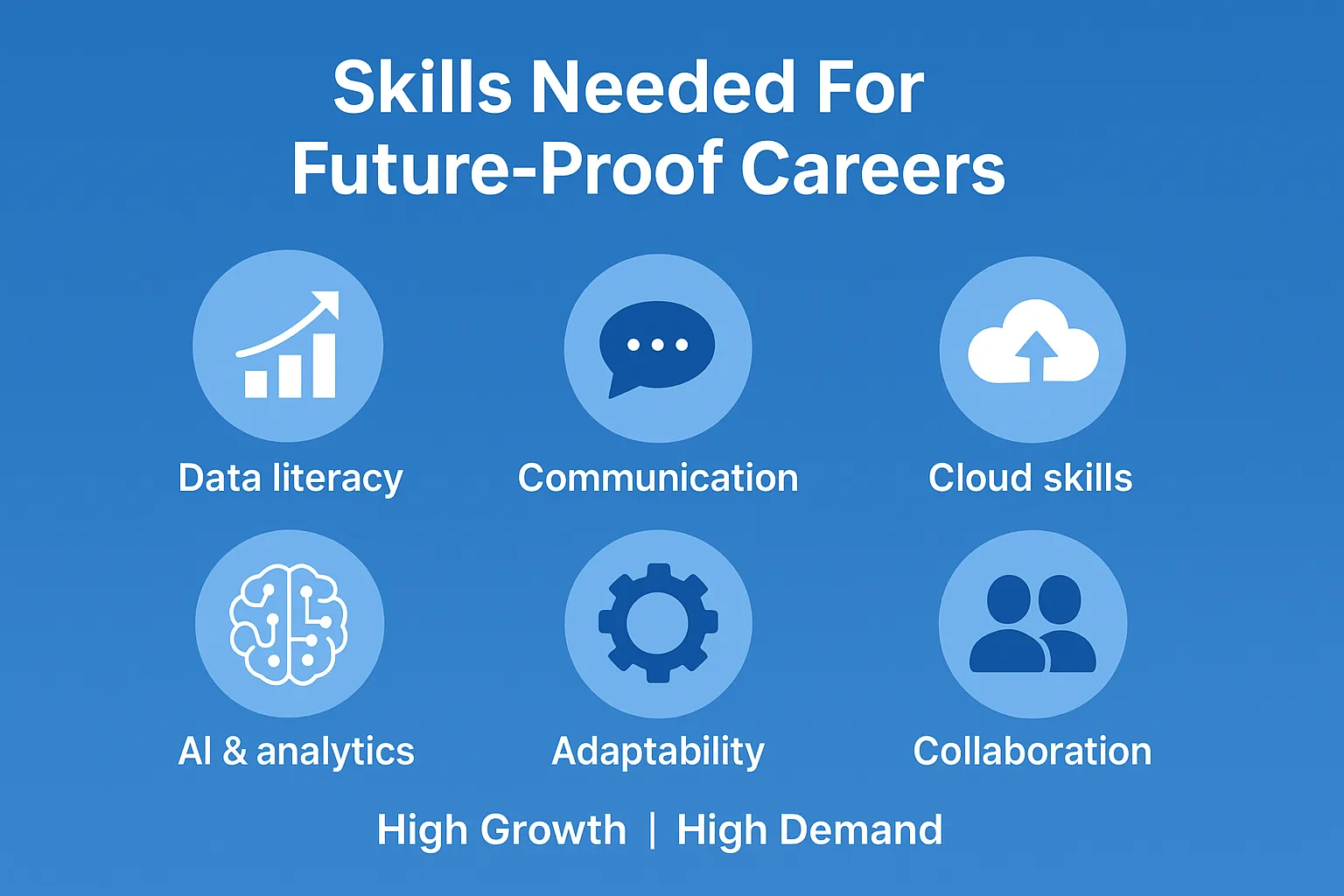
To make these courses really useful, here are skills you should build:
These trends suggest that by 2026, people with skills from courses above will be in high demand.
Before investing time and money, here are things to check:
Here’s a brief look at what each course typically covers, and what roles you might get after finishing.
Roles: business manager, operations head, product manager, strategy consultant.
Roles: junior manager, marketing executive, HR assistant.
Roles: junior developer, test engineer, system admin.
Roles: accountant, financial analyst, tax consultant.
Roles: finance manager, auditor, research analyst.
Roles: data scientist, quantitative analyst, academic researcher.
Roles: application developer, system architect.
Roles: content strategist, digital marketer, HR roles.
Roles: writing, teaching, social work, public relations.
| Course | Duration | Approximate Cost Online (per year / total) |
|---|---|---|
| Online MBA / Exec MBA | 1-2 years | ₹80,000 to ₹12,00,000 depending on school |
| BBA / BCA / B.Com / BA | 3 years | ₹15,000 to ₹2,50,000 |
| M.Com / MA / MSc Maths / MCA | 1-2 years | ₹40,000 to ₹4,50,000 |
Values differ if you study from local institutions vs. foreign ones. But online options often reduce overhead (travel, boarding etc.), making them more affordable.
All that means someone with an Online MCA, MBA with data analytics, or even BCA with good programming can find many job opportunities in 2026.
Taking online courses for future careers is great, but there are challenges. Here’s what to watch out for, and how to overcome:
If you address these, you can get maximum benefit from your online course.
The world in 2026 will look different. Automation, AI, remote work, global competition will push demand toward certain skill sets and roles. To stay relevant, you need in-demand skills and courses that future employers value.
The ten online courses listed here, from Online MBA, Online MCA, to Online MA or a BA are all strong bets for future jobs. If you choose wisely, work hard, and keep learning, you can build a career that stays relevant and rewarding.
Don’t let opportunity pass by: start exploring courses now, pick the one that aligns with your goals, and commit to learning. The job-market of 2026 rewards the prepared.
© 2026 Nuvora Education Private Limited. All rights reserved.